
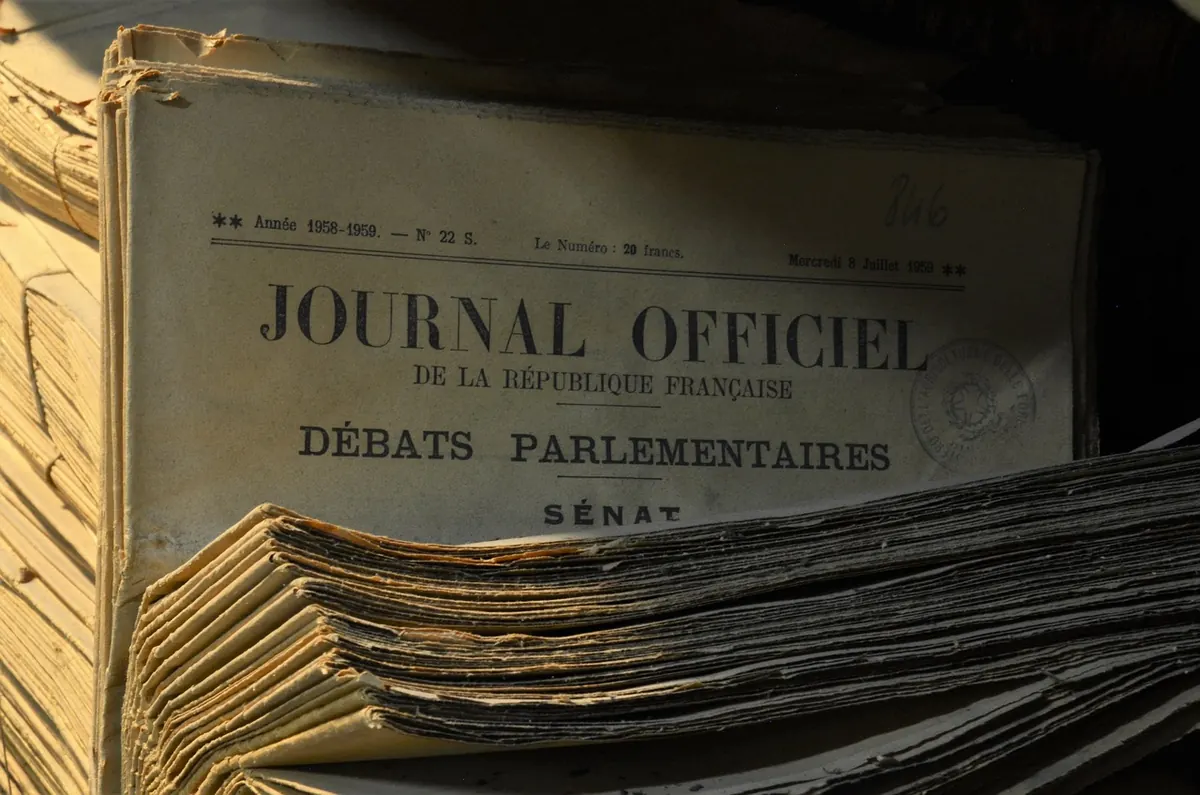


A historical essay summary lives or dies on specificity. You can paraphrase an argument well enough from secondary reading, but the sentence that makes a reader sit up — the one that shows a trade shifting, a school emptying, a family leaving — usually comes from a document nobody has bothered to look at. In the UK, that document is often sitting in a public library a bus ride away.
What follows is a working method: where to look, how to plan a visit, and how to fold what you find into a summary without turning it into a scrapbook.
Start with your council library, not the national collections
Almost every library authority in the UK runs some form of local studies or reference collection, usually free to use with a library card. The person to find is the local studies librarian. Five minutes with them routinely saves an afternoon of guessing, because they know which runs of newspapers are complete, which maps are indexed, and which donated collections have never been catalogued properly.
Ring or email before you travel. Local studies opening hours are often narrower than the main library's, and staffed hours can be narrower still. In Scotland, Wales and Northern Ireland the pattern shifts — the National Library of Wales, the National Records of Scotland and PRONI in Belfast hold much of the deepest material — but the local library is still the right first stop.
What these collections tend to hold
- local newspapers on microfilm, and often free on-site access to commercial newspaper databases
- trade directories — Kelly's, Pigot's, Post Office — listing trades, streets and shopkeepers
- Ordnance Survey maps across several editions, ideal for showing how a street or field changed
- electoral registers, poll books and burgess rolls
- school log books, parish magazines, club minutes, hospital and poor law union records
- photographs, postcards, posters, handbills and theatre programmes
- oral history recordings, which are consistently underused
No single collection holds all of this. Describe your essay's subject plainly and ask what exists for that place and period.
Plan the visit properly
Record offices and archive search rooms are not lending libraries, and they do not pretend to be. Expect to show photo ID and proof of address for a reader's ticket, to leave bags in a locker, and to write in pencil rather than pen. Documents are usually fetched from stores at set times, sometimes only once or twice a day, so a request made at eleven in the morning may not arrive until the next afternoon.
Order in advance wherever the catalogue allows it. Staff will also tell you if an item is too fragile to be produced, or if a document you assumed was there has been withdrawn for conservation.
Check the photography rules before you start. Many places permit phone photography for private research, occasionally with a small permit; publication is a separate question with separate paperwork. Use the foam rests and weights provided, never lean on a document, and keep the flash off.
Catalogues worth searching before you travel
- Discovery, run by The National Archives, searches collections across hundreds of UK archives by place, name and subject
- The Archives Hub covers university and specialist collections, strong on business, political and literary papers
- Your local authority's own archive catalogue, often on a separate site from the library service
- The Gazette, for official notices, appointments and insolvencies, searchable for free
Read the documents like an essayist
Ask the questions an essayist asks rather than the ones a genealogist asks. Who produced this, for whom, and what does it leave out? A poor law guardian's minute book records decisions, not the arguments behind them. A trade directory lists whoever paid to be included. A school log book notices absence, epidemics and weather, and rarely mentions the curriculum.
Four things repay attention:
- anything that contradicts the essay's central claim, which is worth more to a summary than agreement
- one detail that makes an abstraction concrete — a wage, a street name, a journey
- the period's own vocabulary, which you can borrow without pretending to be a novelist
- silences: who never appears in the record, and why that might be
Turning documents into summary
A summary needs a single spine: the essay's argument. Archive material should serve as evidence, not decoration. One sharply chosen detail outperforms four. Quote sparingly — a phrase or a clause, not a paragraph — keep original spelling, use square brackets for clarifications and ellipses for cuts, and reach for [sic] no more than once in a piece.
Suppose your essay concerns rural depopulation between the wars. A school log book recording falling attendance, a directory showing three shops where there had once been nine, and a line from a parish magazine together make the case far better than a page of national figures. Only one of them needs to reach the summary; the rest quietly informs how you write it.
Copyright, credit and note-keeping
Facts are not protected by copyright; the words used to express them generally are. Brief quotation in a summary is normal practice, but reproducing a photograph, a map or a long extract usually requires permission, and archives often charge for it. Ask the rights or reprographics officer early — it is far easier than asking later, when the piece is ready to publish. For anything commercial, take the archive's guidance rather than assuming.
Record the full reference as you work: repository, collection, file, item, and the date you consulted it. A detail you cannot source is a detail you cannot defend, and hunting for a half-remembered quotation two days before a deadline is a special kind of misery.
A practical checklist for your next summary
- Write down the claim your summary must support before you search for anything.
- Email or ring the local studies desk with a specific question, not just a topic.
- Search Discovery, the Archives Hub and the local catalogue, and save the references you find.
- Request documents in advance and confirm the day's opening hours.
- Take a pencil, photo ID and a charged phone.
- Transcribe or photograph with the reference attached to every note.
- Choose one or two details for the summary and let the rest shape your understanding.
- Check permissions before publishing images or extended quotations.
Archive work is slow, and the friction is part of its value: it forces you to choose. Go in with a question, come out with two sentences, and your summary will read as though somebody stood in the room where the history actually happened.
Photo: serendypita / Pixabay
Related posts
More stories you’ll love reading